

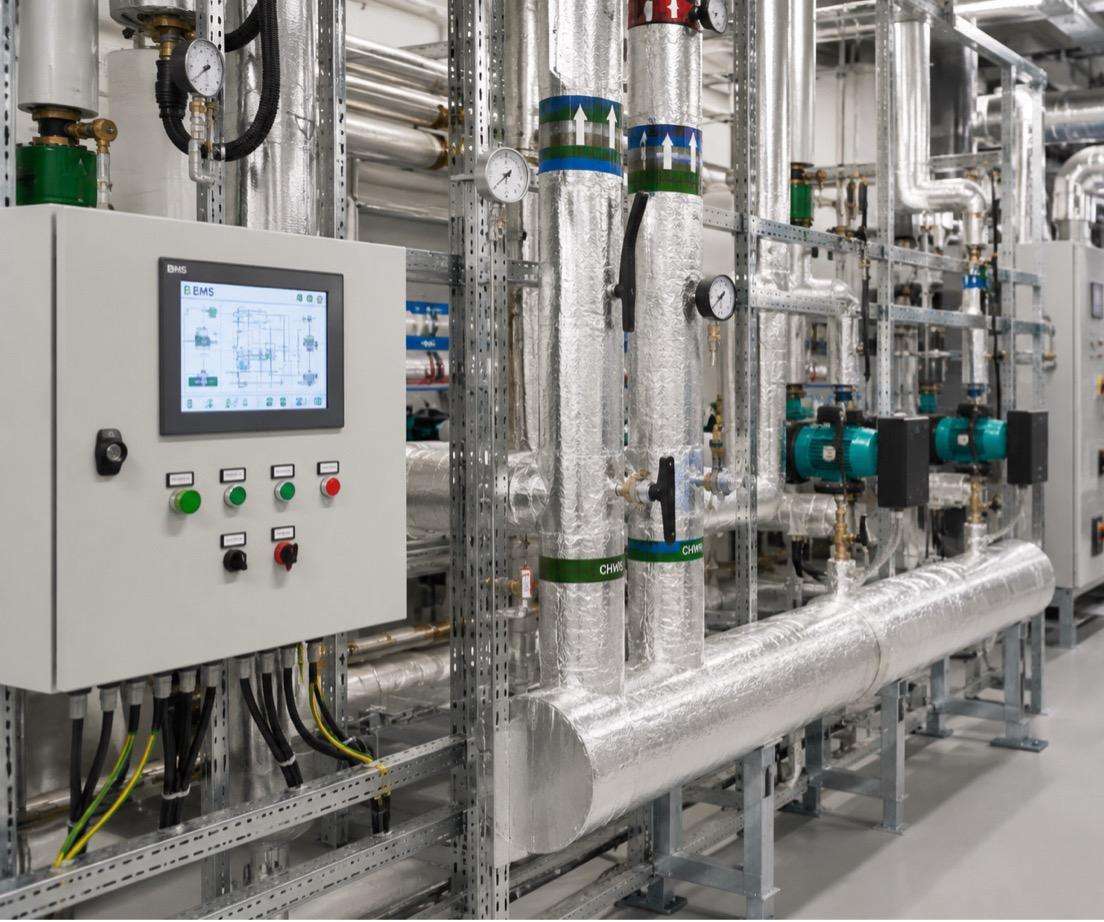
As construction projects become increasingly complex, the role of a commissioning engineer has never been more important. From commercial offices and healthcare facilities to data centres and large-scale infrastructure developments, commissioning professionals play a critical role in ensuring that building systems perform as intended before a project is handed over.
At Michael Taylor Search & Selection, we work closely with employers and professionals across the construction and building services sectors. As specialists in construction recruitment, we regularly see strong demand for commissioning talent, particularly as projects place greater emphasis on quality, efficiency and long-term performance.
So, what does a commissioning engineer actually do, and why are they such a valuable part of the project team?
Understanding Commissioning in Construction
Commissioning management is a quality assurance process that enhances the delivery of construction projects. It ensures that building services systems operate and integrate optimally to meet the defined requirements.
The process begins during the design phase and continues through installation, testing and final handover. The goal is to verify that all systems perform safely, efficiently and in accordance with the client's expectations.
Commissioning engineers work with consultants, contractors and client representatives to engineer sustainable, comfortable and smart builds for the future. Their involvement helps reduce operational issues, improve energy efficiency and ensure that buildings function as intended from day one.
What Are the Main Responsibilities of a Commissioning Engineer?
A commissioning engineer oversees the testing and verification of mechanical, electrical and control systems within a building.
Typical responsibilities include:
-
Reviewing technical specifications and project documentation
-
Developing commissioning plans and schedules
-
Coordinating with contractors and subcontractors
-
Inspecting installations before testing begins
-
Performing functional performance testing
-
Identifying faults and recommending corrective actions
-
Verifying that systems meet design requirements
-
Preparing commissioning reports and documentation
-
Supporting project handover and client training
The role requires close collaboration with multiple stakeholders throughout the project lifecycle. Effective communication and problem-solving skills are essential for ensuring all systems are properly integrated and operating efficiently.
Which Systems Do Commissioning Engineers Work On?
Commissioning engineers are responsible for a wide range of building services systems.
These may include:
-
Heating, ventilation and air conditioning (HVAC)
-
Electrical distribution systems
-
Fire detection and alarm systems
-
Building management systems
-
Security and access control systems
-
Lighting controls
-
Renewable energy systems
-
Data centre infrastructure
As technology continues to evolve, commissioning professionals are becoming increasingly involved in smart building technologies and advanced energy management solutions.
This growing complexity is one of the reasons why commissioning recruitment remains a key focus for many employers across the construction industry.
What Qualifications and Skills Are Required?
Most commissioning engineers come from engineering, construction or building services backgrounds. Many begin their careers in mechanical or electrical disciplines before specialising in commissioning.
Key skills include:
-
Strong technical knowledge of building services systems
-
Analytical and troubleshooting abilities
-
Project coordination skills
-
Attention to detail
-
Communication and stakeholder management
-
Understanding of health and safety requirements
-
Knowledge of industry standards and regulations
Relevant qualifications may include engineering degrees, HNCs, HNDs or vocational qualifications in mechanical and electrical disciplines.
Experience gained through M&E recruitment opportunities often provides an excellent pathway into commissioning-focused roles.
Where Do Commissioning Engineers Work?
Commissioning engineers can be found across a broad range of sectors and project environments.
Some of the most common include:
Commercial Construction
Office developments and mixed-use schemes require extensive testing of mechanical and electrical systems before occupation.
Healthcare Projects
Hospitals and healthcare facilities demand rigorous commissioning processes to ensure critical systems operate safely and reliably.
Data Centres
Data centre recruitment has become a major focus within the construction industry. These facilities rely on highly complex electrical, cooling and backup systems that require specialist commissioning expertise.
Infrastructure and Industrial Projects
Large-scale infrastructure developments often involve extensive commissioning programmes to ensure operational readiness before launch.
Why Is Demand for Commissioning Engineers Increasing?
Several factors are contributing to the growing need for commissioning professionals.
Modern buildings are becoming more sophisticated, with greater reliance on integrated technology and energy-efficient systems. Clients are also placing increased importance on sustainability, operational performance and occupant comfort.
At the same time, many experienced professionals are reaching retirement age, creating skills shortages across building services and engineering disciplines.
As a result, employers are actively seeking experienced commissioning engineers, commissioning managers and related specialists to support major projects throughout the UK.
This trend has created strong opportunities for candidates looking to advance their careers within commissioning, M&E recruitment and wider construction recruitment sectors.
Career Progression Opportunities
A commissioning engineer can progress into a variety of senior positions.
Potential career paths include:
-
Senior Commissioning Engineer
-
Commissioning Manager
-
Technical Manager
-
Building Services Manager
-
Project Manager
-
Operations Director
Many professionals also move into specialist consultancy roles, supporting developers, contractors and end clients on major projects.
The combination of technical expertise and project management experience gained through commissioning often provides an excellent foundation for long-term career growth.
The Importance of Commissioning in Modern Construction
Commissioning is no longer viewed as a final-stage exercise. It is an essential quality assurance process that helps ensure projects meet performance, sustainability and operational objectives.
By identifying issues before handover, commissioning engineers help reduce risk, improve efficiency and deliver better outcomes for building owners and occupants.
As construction projects continue to evolve, commissioning professionals will remain a vital part of successful project delivery.
Looking for Commissioning Talent or New Career Opportunities?
At Michael Taylor Search & Selection, we specialise in construction recruitment across building services, commissioning, fit out, M&E and specialist engineering sectors.
Whether you are an employer seeking experienced commissioning professionals or a candidate looking for your next opportunity, our team can help.
Get in touch today to discuss your recruitment needs or explore the latest opportunities within commissioning, M&E and construction careers.